How to Find a New Barber in San Francisco
San Francisco barbering splits between walk-in shops, chair-rental barbers booked by app, and fade or shave specialists. Here is how to match the right one, verify a California licence, and get a good first cut.
The short answer
Finding a new barber in San Francisco is mostly a matching problem, not a quality problem. Decide first whether you want a walk-in shop, a private chair booked by app, or a specialist in fades or textured hair, then verify the barber's California licence, then book a short consultation cut rather than a full restyle. The city is small enough that a bad match is easy to fix and a good one is worth keeping.
Know the types
Traditional walk-in shops still run in North Beach, the Mission, the Richmond and the Sunset, and they are the right call if you want a clipper cut, a beard tidy and no scheduling friction. The trade-off is that you get whoever is free.
Appointment-only chairs are now the dominant model in Hayes Valley, SoMa and the Mission. The address holds the establishment licence, but each barber rents their chair and runs their own book, pricing and cancellation policy. Booking one of these is hiring a person: read reviews of the individual, not the shop, and expect their calendar to be full a week or two out.
Shave-focused shops are a smaller category and worth knowing about, because straight-razor work is explicitly part of the barber scope of practice in California and not every stylist can legally do it. Fade and textured-hair specialists are the third distinct group, concentrated in the Fillmore, Bayview and parts of the Mission, and they are where you go if your cut lives or dies on the blend rather than the length.
Finally there are the hybrid salon-barbershops that do colour and cutting under one roof. Useful if you want grey blending or a longer cut with layering, less useful if you want a skin fade done in fifteen minutes on a Tuesday.
What California licensing tells you
California sets a meaningful bar, and it is a useful filter. The Board of Barbering and Cosmetology requires not less than 1,000 hours of practical and technical instruction for a barber licence. The barber scope explicitly covers chemical hair services, hairstyling, and "shaving and trimming of the beard, which includes preparing the client's hair for shaving, assessing the condition of the client's skin, performing shaving techniques, applying aftershave antiseptic following facial services, and massaging the face" — so a straight-razor shave or a razored neckline is core barbering work, not an extra.
Premises are regulated separately. The Board's Inspection Unit conducts random and targeted health and safety inspections of establishments and schools, and establishments must display their establishment licence along with the required consumer notices. In a chair-rental shop, look for two things on the wall: the establishment licence for the address, and current individual licences for the barbers working there. A barber operating out of an apartment with no visible licensing is a risk you do not need to take in a city with this many shops.
Getting a good first cut
Book a maintenance-length cut for a first visit rather than a dramatic change. You learn more from watching someone execute a familiar cut than from handing them a blank cheque.
Bring two photographs: one of a cut you like on hair similar to yours, one of your own hair from the back a week after your last cut. The second is more useful than the first, because it shows the barber what your growth pattern actually does. Speak in guard numbers and specifics — where the fade should start, how much weight to keep on top, whether you want the neckline blocked, rounded or tapered — and say what you dislike about your current cut rather than only what you want.
Ask how often they would cut it. San Francisco's appointment-only shops fill three to four weeks out, so an honest answer to that question determines whether the barber is realistic about your schedule. A skin fade needs re-cutting every two to three weeks to look intentional; a textured crop can go six.
Between cuts, and the fog factor
San Francisco's microclimates change what works in your hair. The Sunset and Richmond sit under wind and marine layer for much of the year, which flattens light styling products and leaves fine hair damp longer; a matte clay or paste holds better there than a shine pomade. Cross into the Mission or Potrero on a clear afternoon and the same hair behaves differently, which is why people assume their barber changed something when only the weather did.
Shaving is where a barber's knowledge matters most and varies most. A study of 50 barbers across 37 barbershops found that 78% correctly identified pseudofolliculitis barbae — razor bumps — from a photograph, while only 44% could identify acne keloidalis nuchae, and 58% said they avoid cutting the hair of clients with pseudofolliculitis barbae. Forty-four percent counselled clients to shave with clippers at home for it. That is a fair snapshot of the trade: most barbers recognise razor bumps, fewer recognise the related scalp condition, and many will decline the work rather than aggravate it.
The practical takeaway is to ask directly. A barber who says they will use clippers rather than a razor on your neckline, or who suggests spacing shaves further apart, is applying the right instinct. Persistent bumps, keloid-like papules at the nape, or anything that keeps returning after a change in technique is a dermatology visit, not a barbering problem.
Between visits, keep it simple: wash the scalp rather than only the hair, use a lighter product than you think you need in the fog belt, and get the neckline tidied between full cuts if your shop offers it.
Where to book this
Use the directory to browse verified providers across San Francisco, then shortlist by neighbourhood and by the specific thing you need — a skin fade, textured cutting, a straight-razor shave, or a longer scissor cut.
Three checks before your first appointment. Look up the barber and the shop separately through the California Board of Barbering and Cosmetology, since the individual and the establishment are licensed independently. Confirm the shop's cancellation window before you book a chair-rental barber, because most run their own policy rather than the shop's. And ask what the cut costs including the neckline tidy and any beard work, since San Francisco shops differ on whether those are bundled or billed separately.
Sources & references
- California requires not less than 1,000 hours of practical and technical instruction for a barber licence, and the barber scope explicitly includes shaving and trimming of the beard, assessing the skin, and applying aftershave antiseptic.
- The California Board of Barbering and Cosmetology's Inspection Unit conducts random and targeted health and safety inspections of establishments and schools, and establishments must display their licence.
- A study of 50 barbers across 37 barbershops found 78% correctly identified pseudofolliculitis barbae from a photograph while only 44% identified acne keloidalis nuchae, and 58% avoid cutting the hair of clients with pseudofolliculitis barbae.
Frequently asked questions
How do I check a San Francisco barber is licensed?
Can any stylist give me a straight-razor shave in California?
How often should I get a haircut in San Francisco?
I get razor bumps. What should I tell my barber?
Does the fog really change how my hair behaves?
Need a provider in San Francisco?
Browse our directory and book directly with local businesses.
Browse the directoryRelated articles
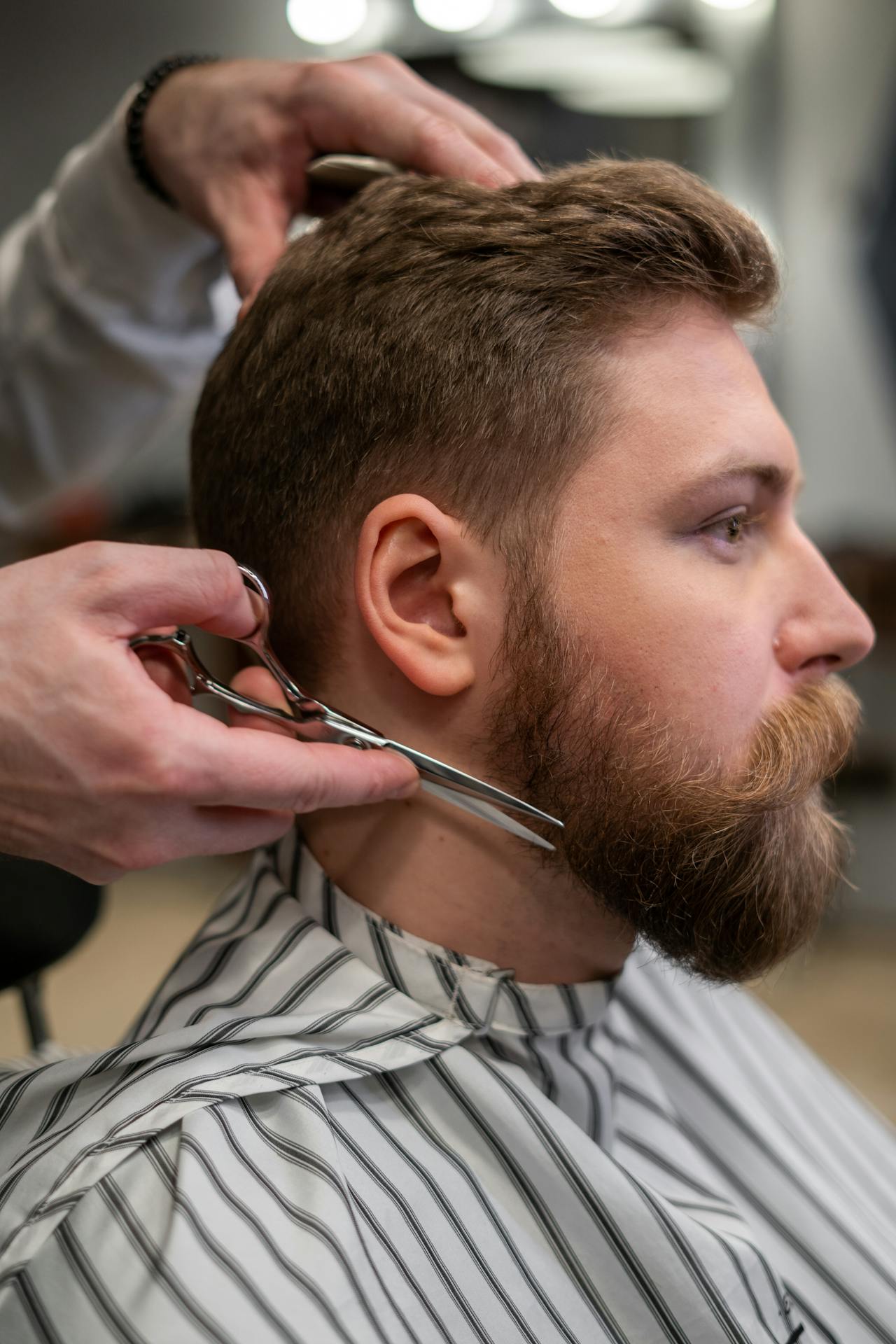
Best Barbering in San Francisco, CA
Everything you need to know about barbering & grooming in San Francisco, CA — from choosing the right service to finding providers locals actually recommend. Pricing, FAQs, and booking links included.
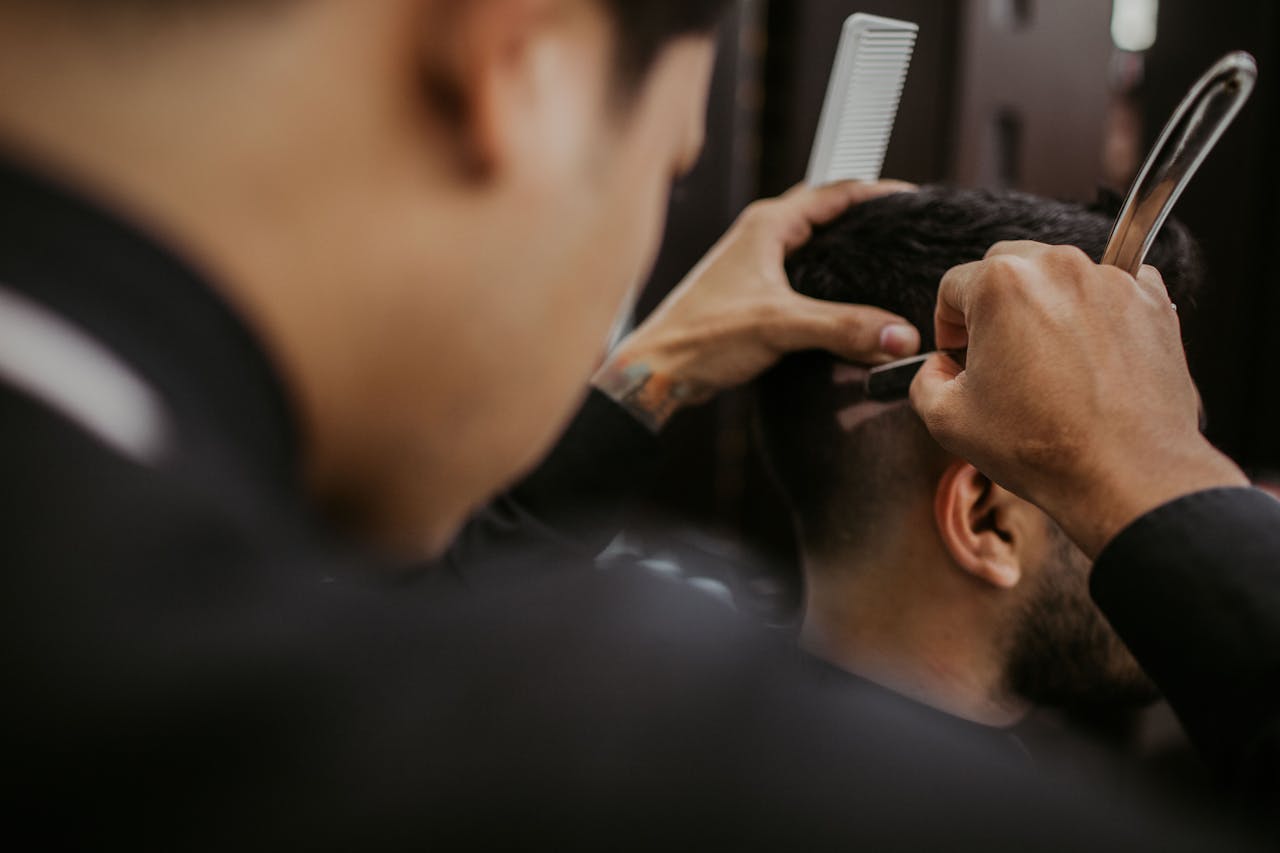
Top 2 Barbering & Grooming Spots in San Francisco, CA You Need to Visit
We researched the top 2 barbering & grooming spots in San Francisco, CA. Here is what makes them worth your time, plus tips to get the most from your visit.
Skin Fade vs Taper: Best Cuts in San Francisco
Choosing between a skin fade and a taper can impact your style significantly. Learn the pros and cons, and find top barbers in San Francisco.